
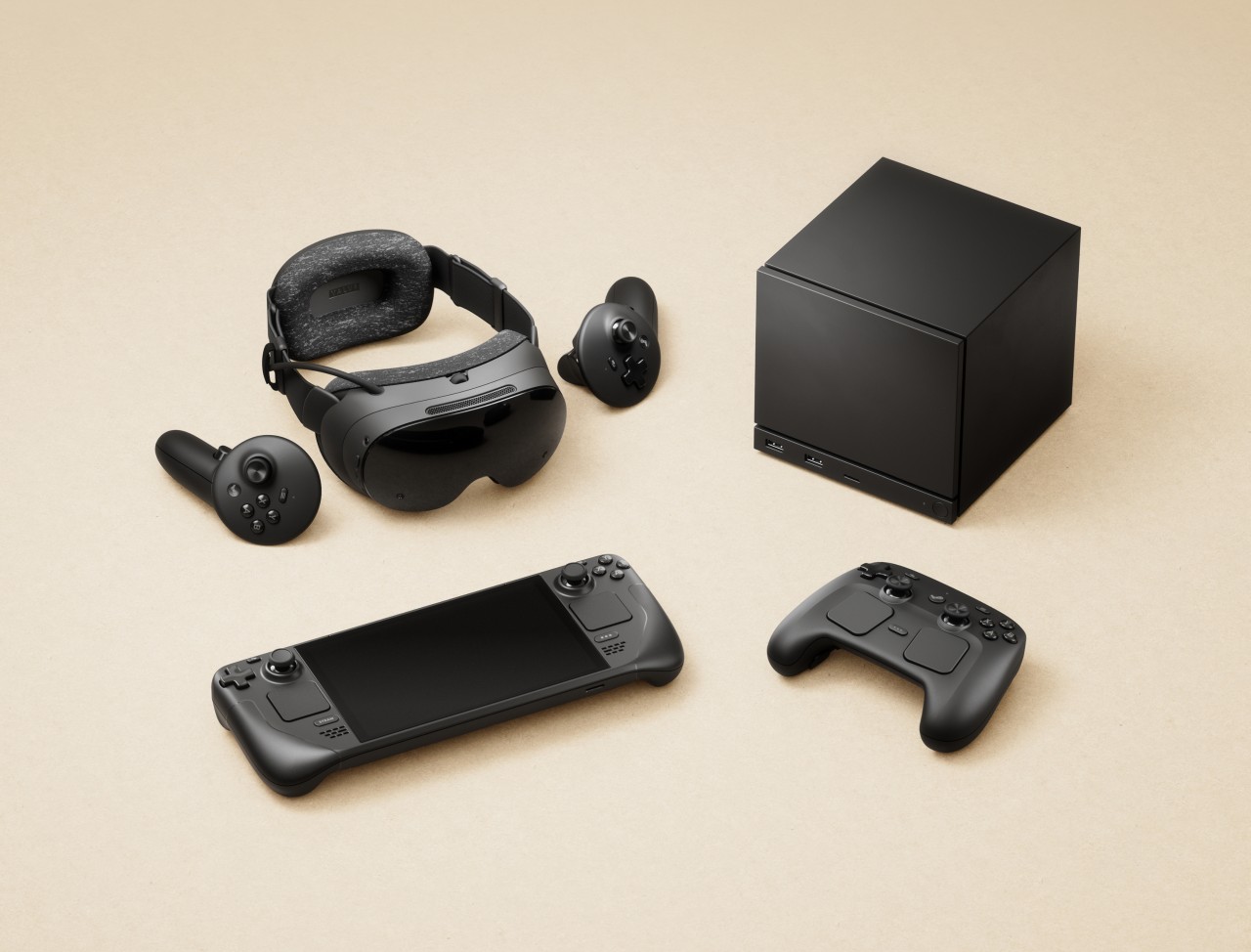
 Today, Valve announced three new additions to their Steam hardware lineup. First, the Steam Controller: their custom gamepad utilizing magnetic TMR joysticks and two touchpads. Also the Steam Machine: Steam’s second venture into competing with the console crowd. Lastly, the Steam Frame: a new VR headset coming as the successor to the Index.
Below is a breakdown on each of these, along with some opinions.
Steam Controller
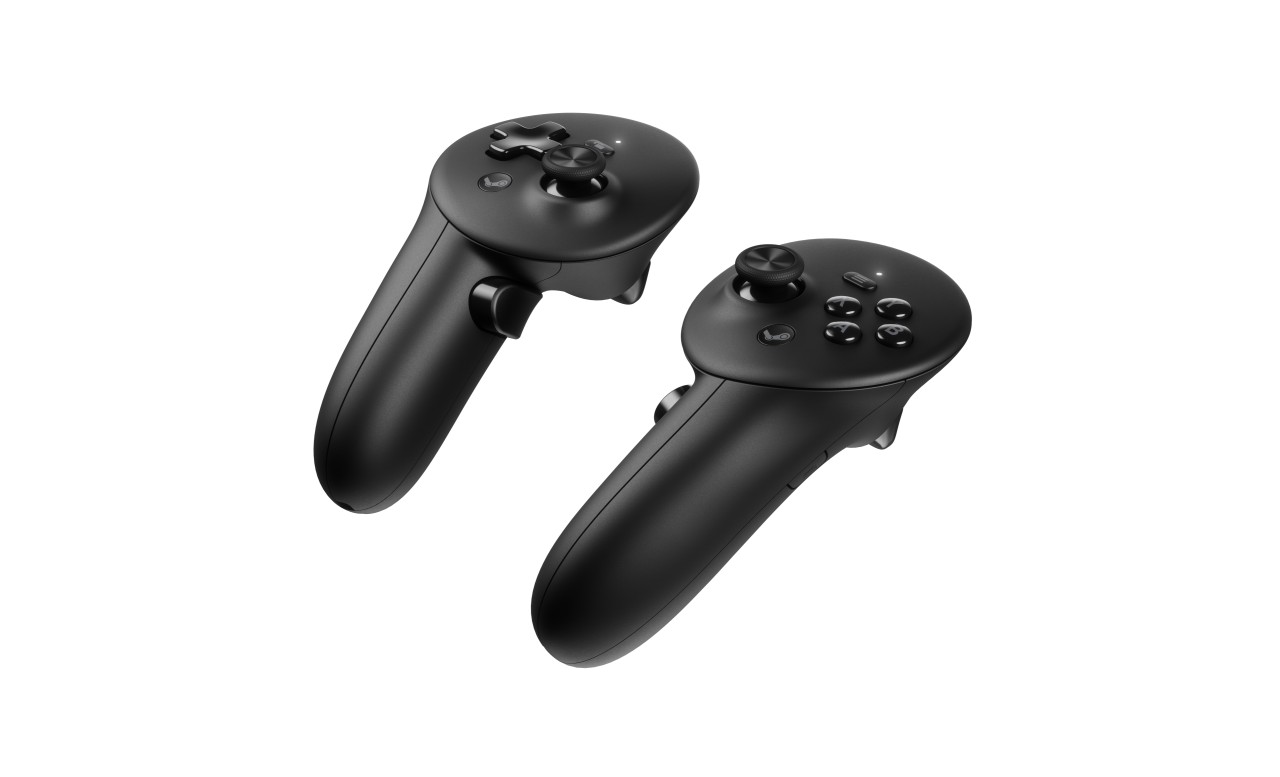
You might recognize the name, as Valve has ventured into this endeavor before. Previously sporting an odd single stick, two large touchpad design, Valve’s new Steam Controller is instead coming with everything they’ve learned from the Steam Deck, with some upgrades. If you’re familiar with the Steam Deck, it has essentially converted the format of the Steam Deck and compressed it to retain the shape and style without the screen in the center. Utilizing the increasingly popular back buttons, along with the touch pads on the front, the Steam Controller is aiming to bring the ease and comfort of a controller to even games that do not officially support gamepads. Also sporting gyro controls, this makes it one of the very few controllers on Steam that have such a function natively.
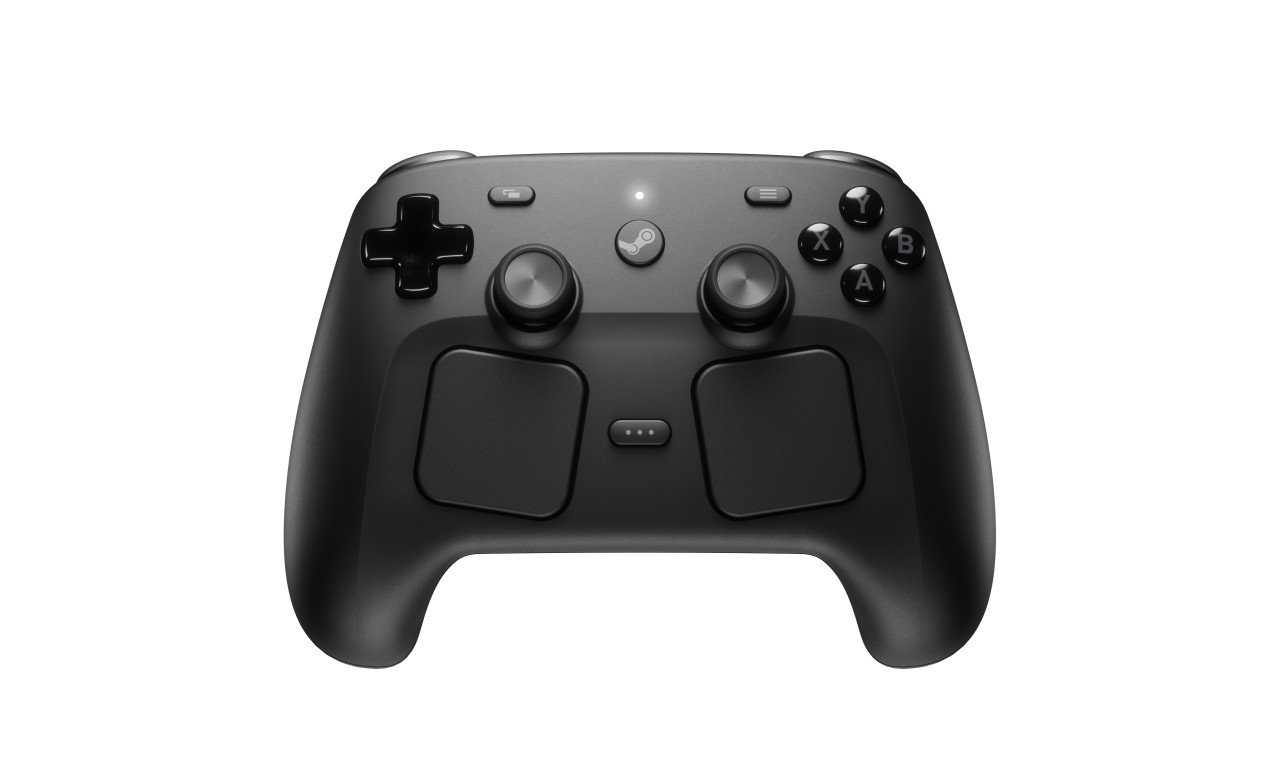
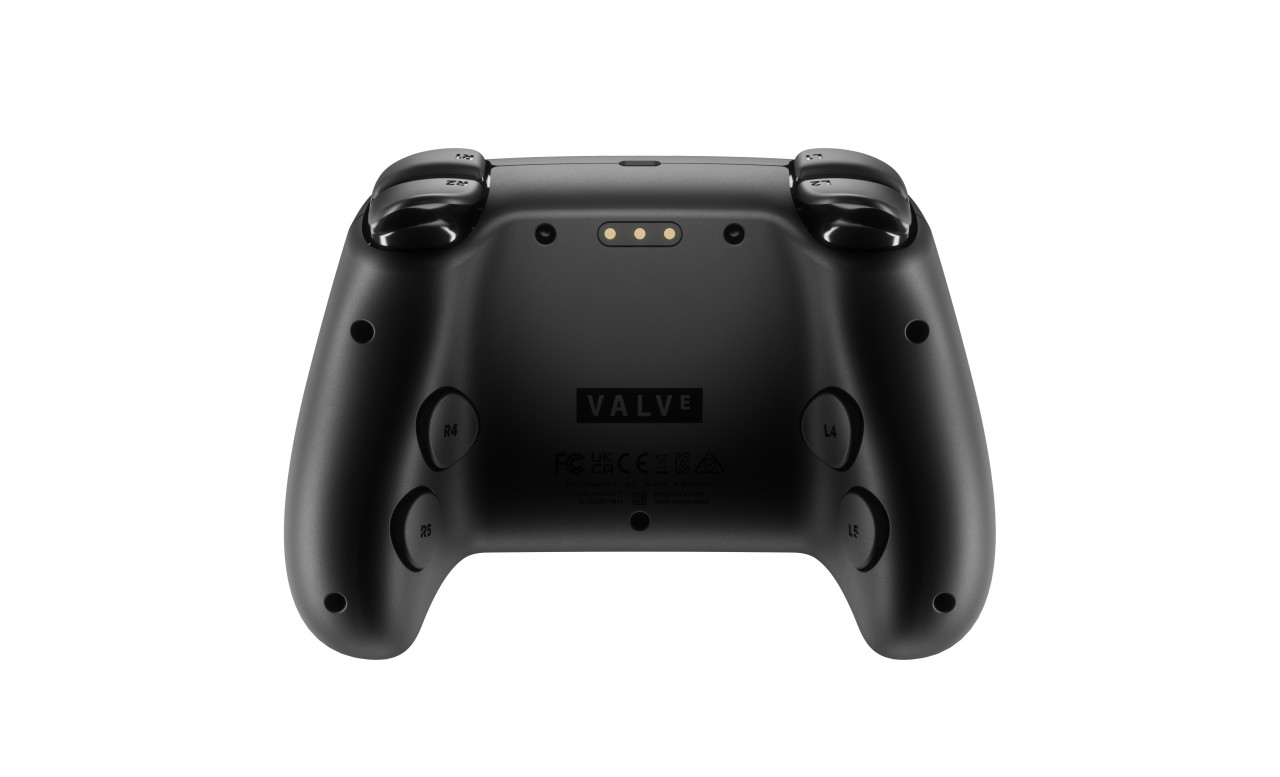
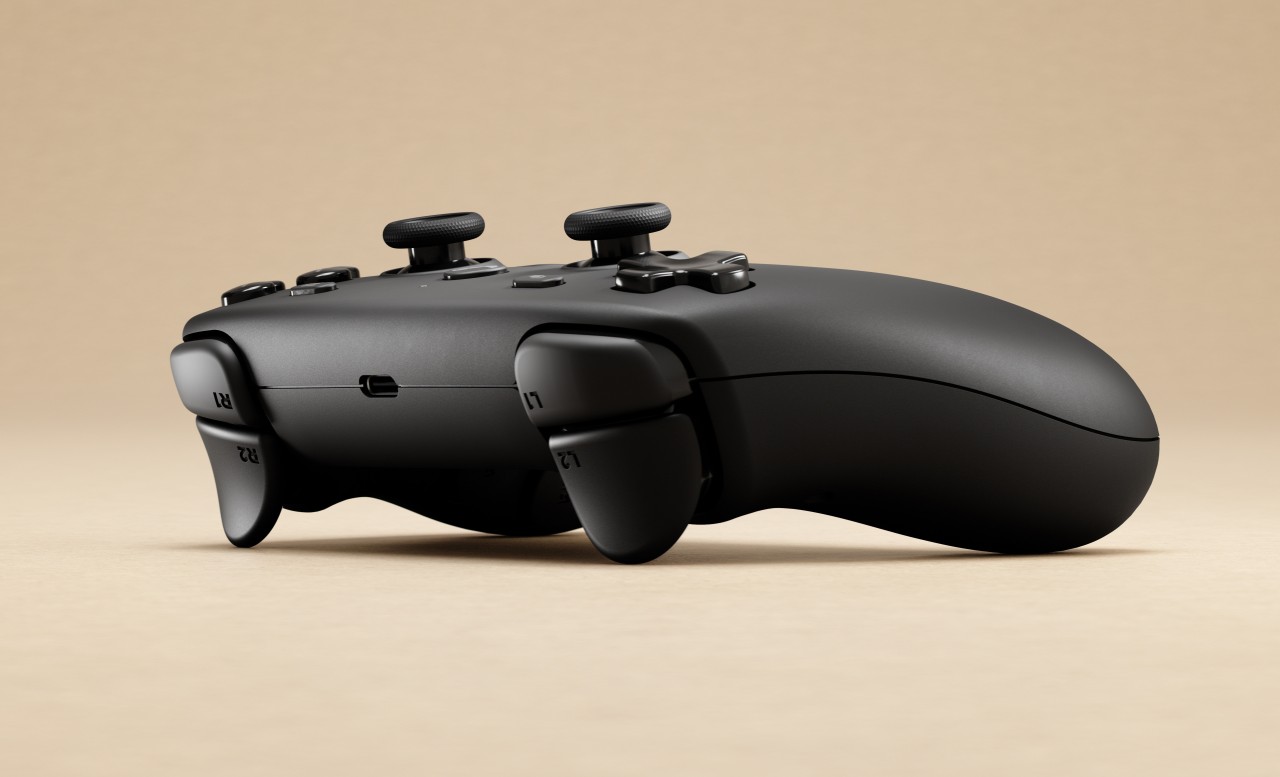
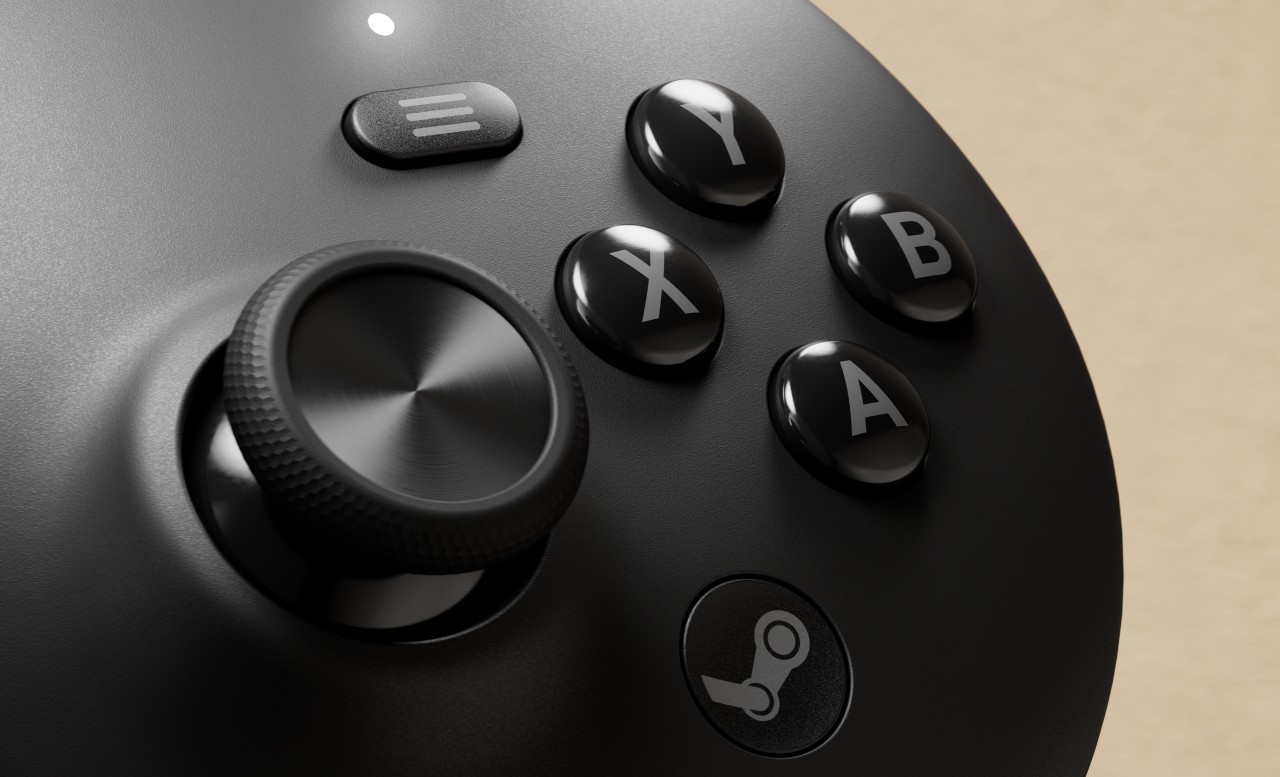
The Steam controller is seemingly built to last, with TMR thumbsticks, which, for those unfamiliar, utilize magnets to avoid any of the physical contact you would get out of a conventional potentiometer joystick. This is great news, considering Valve’s last foray into anything controller wise was the Index VR headset, which gained a reputation for drifting joysticks with age. These joysticks also feature a capacitive touch sensor, which isn’t something you’ll likely find in many games, but is something that can be theoretically utilized to further combat long term stick drift, as the controller knows when you are touching the joystick.
The Steam controller is a bit fatter in the body shape than most gamepads, dropping the ability to wrap three fingers around in exchange for two touchpads at the bottom, sitting squarely in view. These are made to help with the above mentioned idea of making more games accessible to those who either don’t want to play with a keyboard and mouse, or just want to be able to sit on the couch and play. Also including a rechargeable battery, the Steam controller can go wired mode using the included magnetic charger that also acts as the wireless dongle snaps to the back. No worries they say, though, as the controller is rated for a 36 hour battery life. With this and full control of the mouse under the trackpads, Steam’s native function to manually map any button to emulate a keypress means that you will be able to use community created button maps to play anything from the comfort of your couch.
Steam Machine
The Steam Machine is another name you might recognize in the lineup. Years ago, Steam released their “Steam Machines” as an alternative to home consoles. They would sit on an entertainment center, along side your Xbox, PlayStation, and/or Switch, and offer an alternative. Rather than being limited to only what was released in a current generation, you are offered everything that has ever released on PC (Well, on Steam, but that’s most things at this point). At the time, gaming on Linux wasn’t really in a good spot, and considering the Steam Machine utilized a Linux distro, its limitations really stood out to make it a hard sell. This time around, we’re still sporting a Linux build in the Steam Machine, however, it has come an extremely long way since the days of the OG system. Steam has put a lot of time and money into honing their own custom OS, SteamOS, into a powerful force that can play almost anything on Steam. The Steam Deck’s existence over the last few years has been a powerful force in the industry to get game developers to aim to get that “Steam Deck approved” sticker on the service.
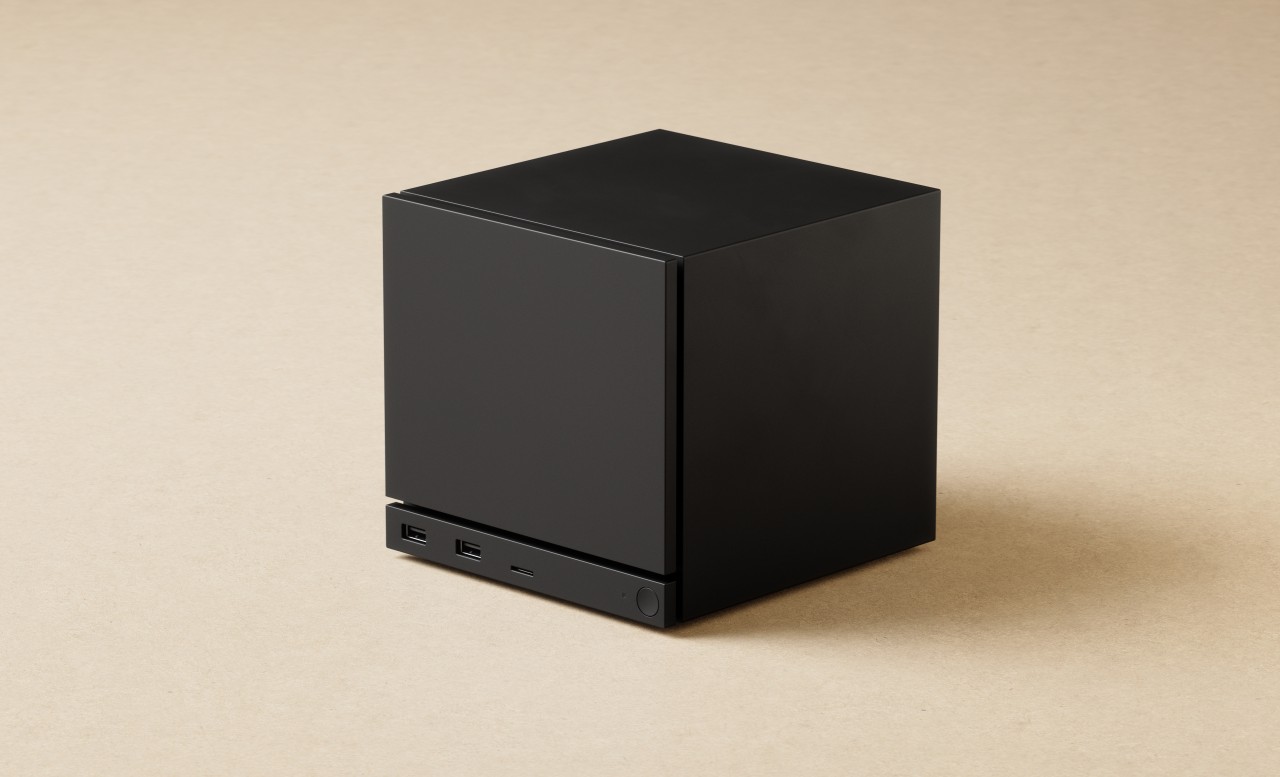
The Steam Machine comes in a tight, 6 inch cube build that looks incredibly sleek and is claimed to pack hardware “six times more powerful than the Steam Deck”. The Steam Deck is already impressive in what it’s able to handle in a handheld format, so if that’s anything to go off of, I’m confident that the Steam Machine is ready to do what the previous Steam Machine was only dreaming to achieve: A home console experience with the absolute breadth of the PC library. One not restricted by generations or choices by manufacturers to limit compatibility. Sporting an AMD Zen 4 6C CPU and and AMD RDNA3 GPU with 8GB GDDR6 VRAM and 16GB of DDR5 RAM, the Steam Machine is more than ready to pick up most any modern or classic title and get you going as soon as possible. Again by utilizing Steam’s community curation of controller schemes, you can find yourself dropping into anything, controller support or no, directly from your couch. The Steam Machine also includes a built in wireless connector so you can connect your Steam Controller with no extra dongles or fuss. The Steam Machine comes in two models, the only difference being the included storage. You either get 512Gb or 2TB of included storage, but both models offer a high-speed microSD card slot for expansion.
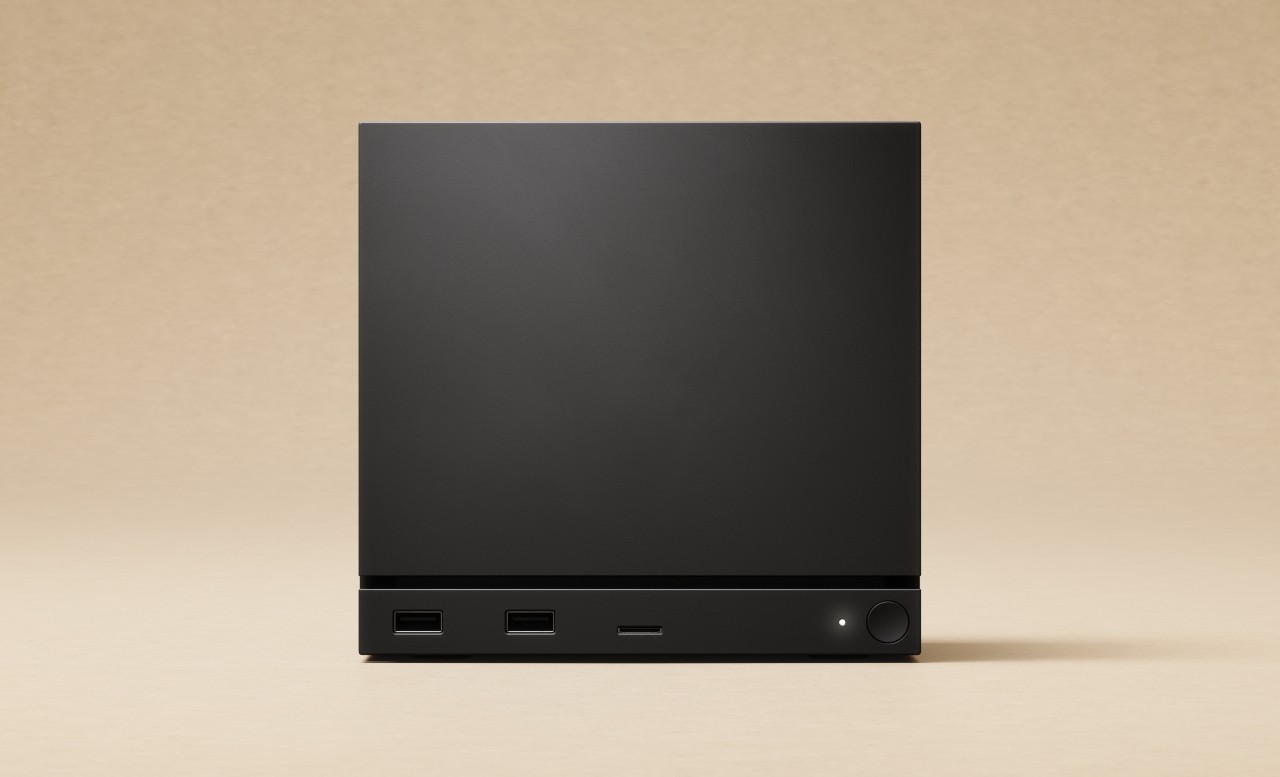
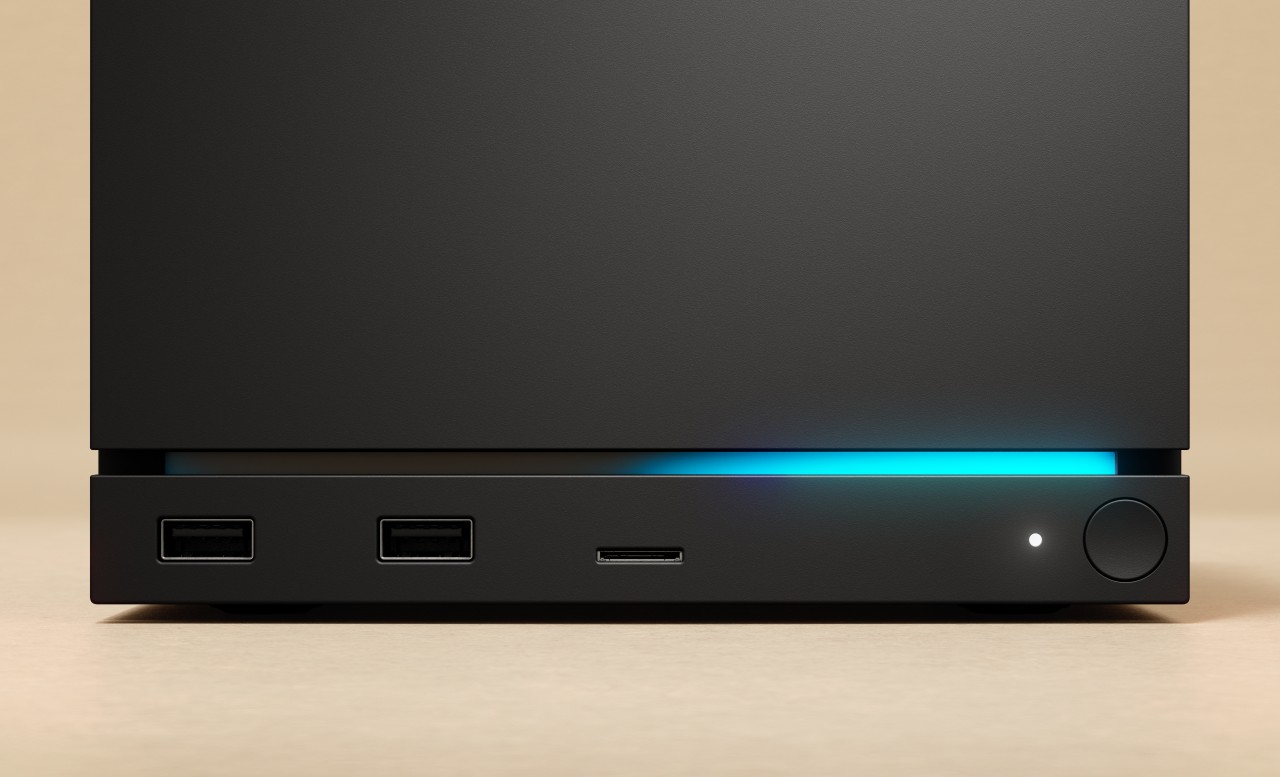
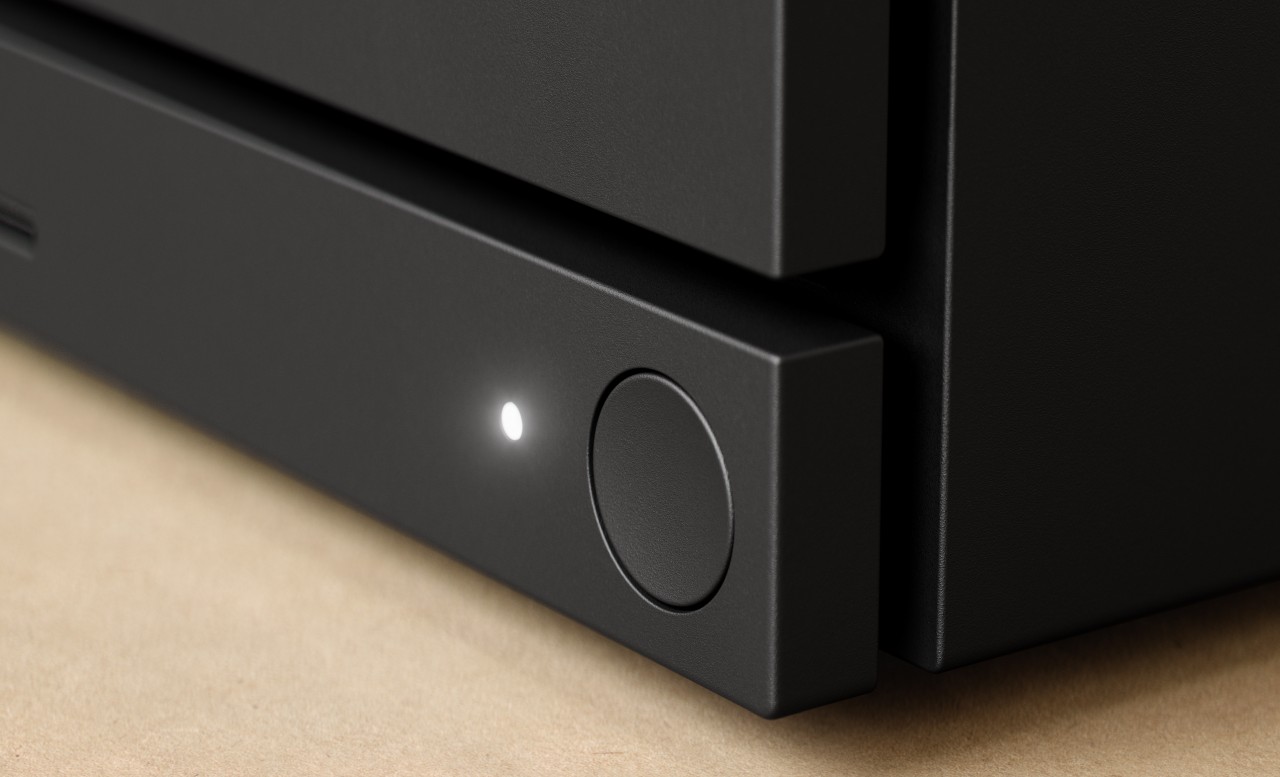
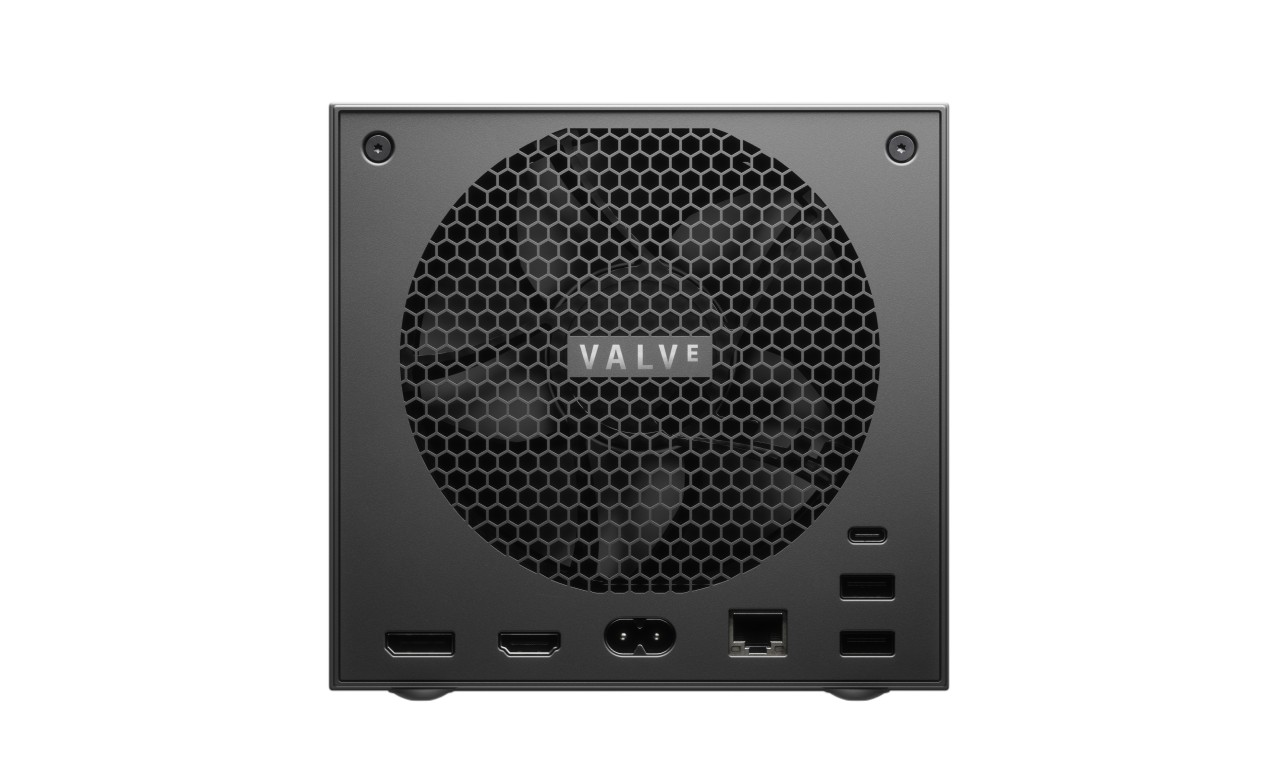
The Steam Machine looks like it’s going to be a big game changer for Couch PC play, and if Steam does it right, this could be a changeup in the console market. They probably would need to actually start selling their hardware in retail stores for this to really change much, which they have historically avoided doing in favor of selling all hardware directly through their own storefront. While surely easier to manage and having the advantage of getting the full sale price, reaching the console player market might be a hard sell if it’s only available through a website that no console player is ever visiting.
Steam Frame
The Steam Frame is also a second go for Valve, however, this one is sporting a different name from its predecessor. Succeeding the Valve Index, the Steam Frame is taking over as the face of Steam’s VR option. Valve officially announced that they are dropping hardware support for the Index, opting to focus solely on the Frame from this point on. The Steam Frame does offer some notable upgrades from the Index, however, it does have some nuance that raises some questions for existing VR enthusiasts.
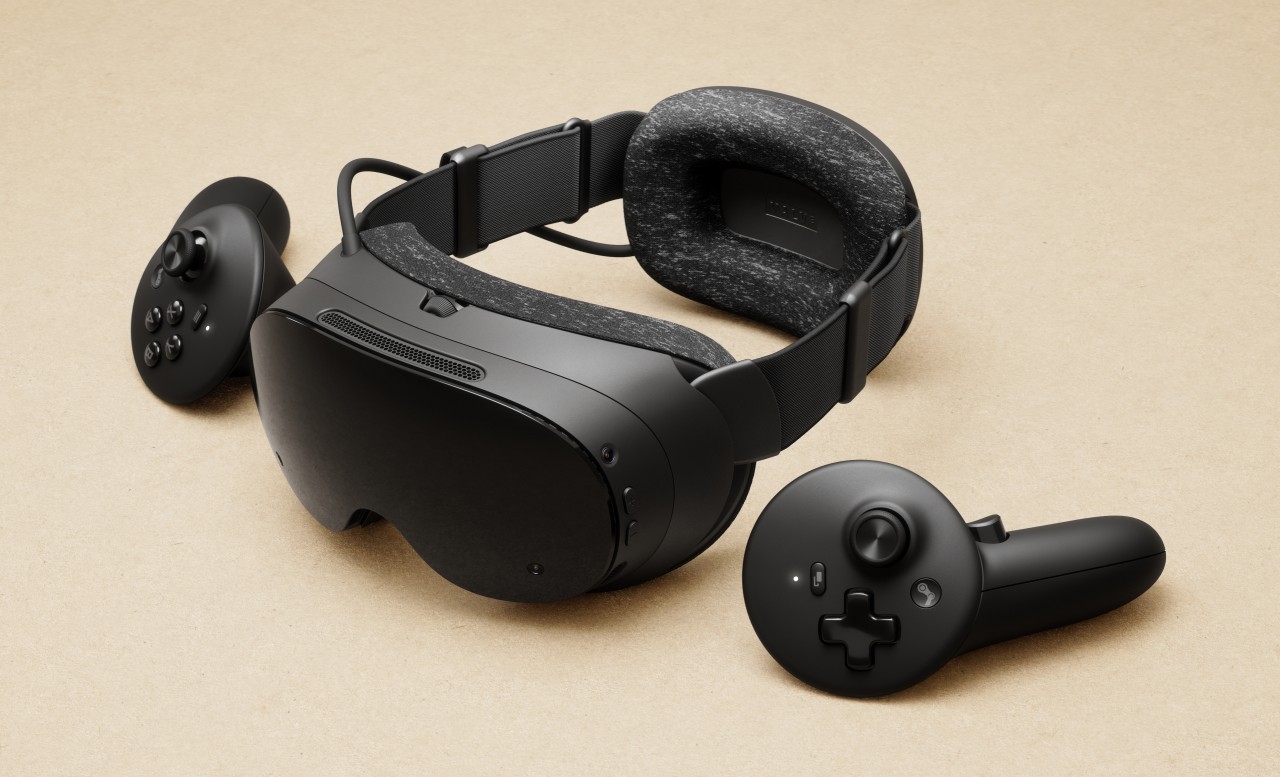
The Steam Frame is seemingly being made as a competitor to Meta’s Quest. The Steam Frame offers standalone support, meaning you can play your games without the need of a connected PC, which is nice, but it also includes support for non-VR titles in the standalone format which is an interesting new idea. If you want to go wired instead, there is that option, however, the Steam Frame also comes with a wireless dongle, allowing you to stay wire-free while on a PCVR setup. From early impressions across the internet, this dongle has a very impressive range, allowing you to go further than the Index’s tether ever would. The Steam Deck is light and comfortable, only maybe sporting a downgrade in the audio department. The included audio setup is in the headband, making it more akin to the Quest rather than the Index’s very nice speakers. As I haven’t gotten to experience this yet, it’s hard to say whether this is a meaningful difference, and I’m sure it’s fine in the end, but I think I would have liked to have seen a return of the full speakers again.
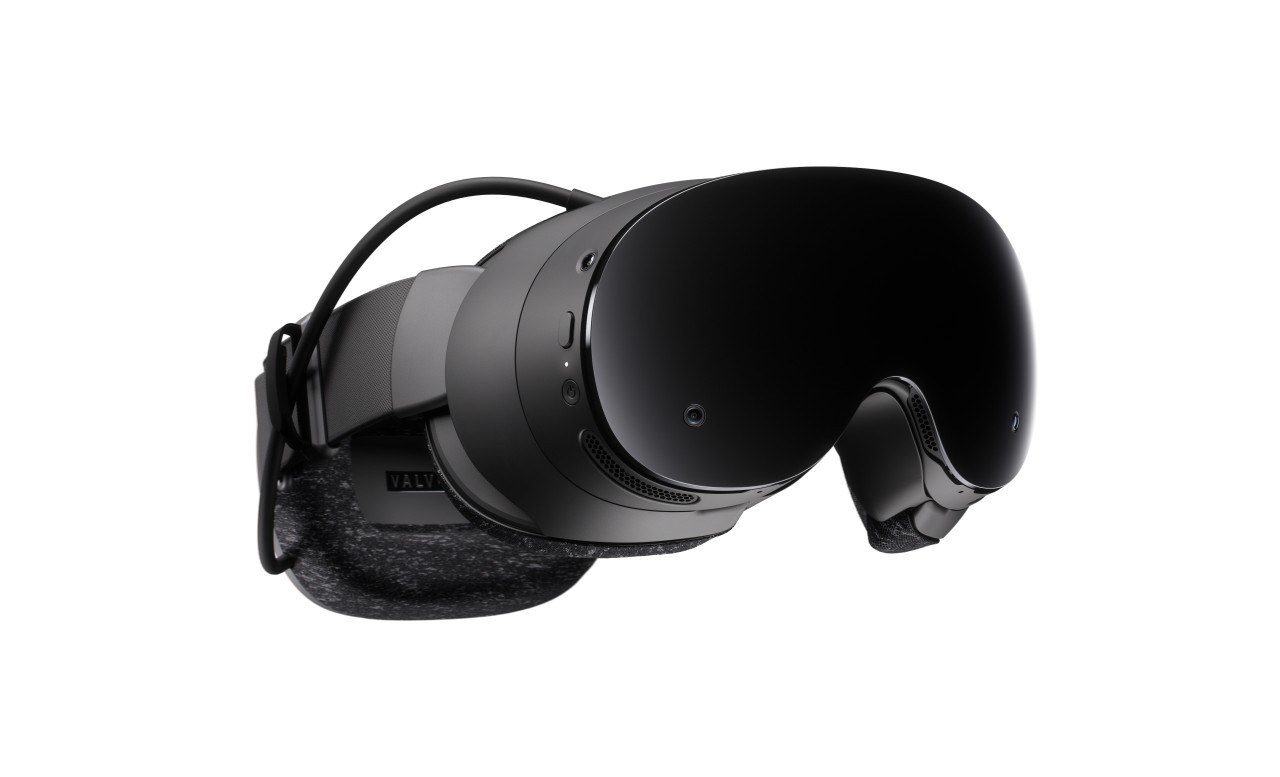
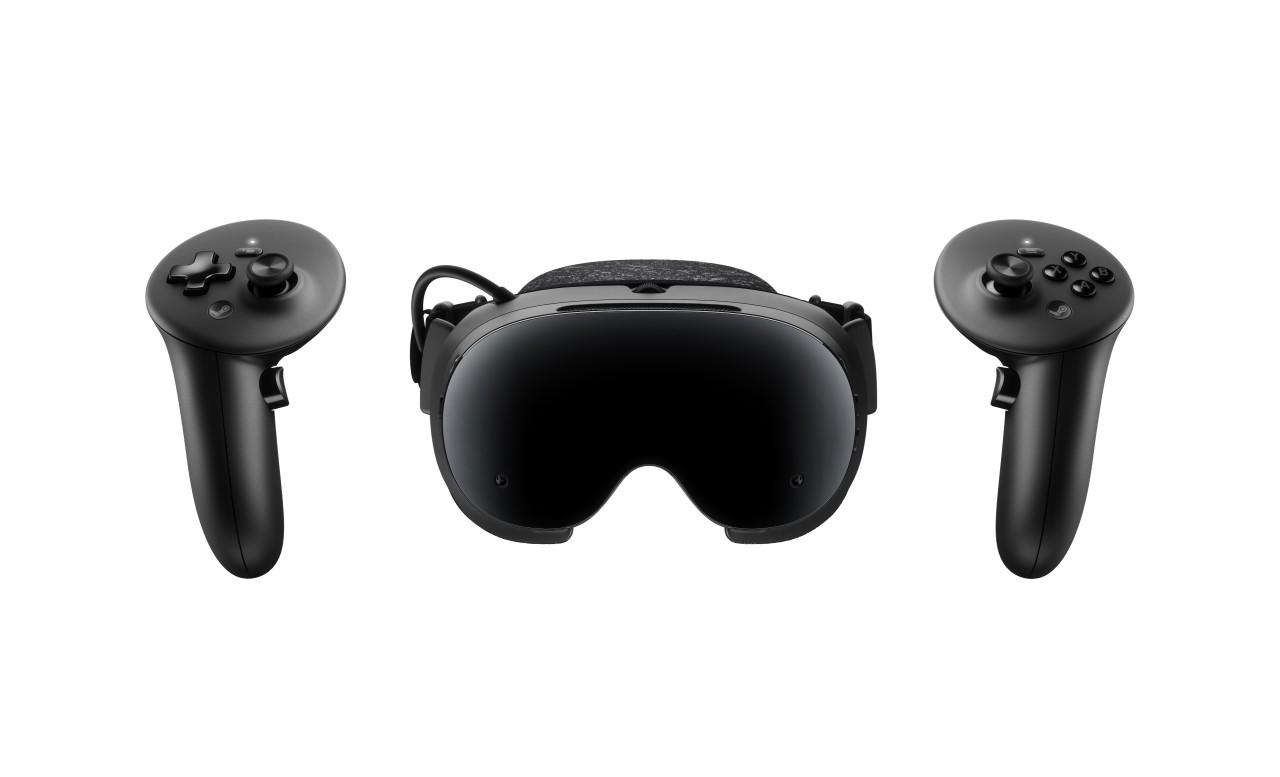
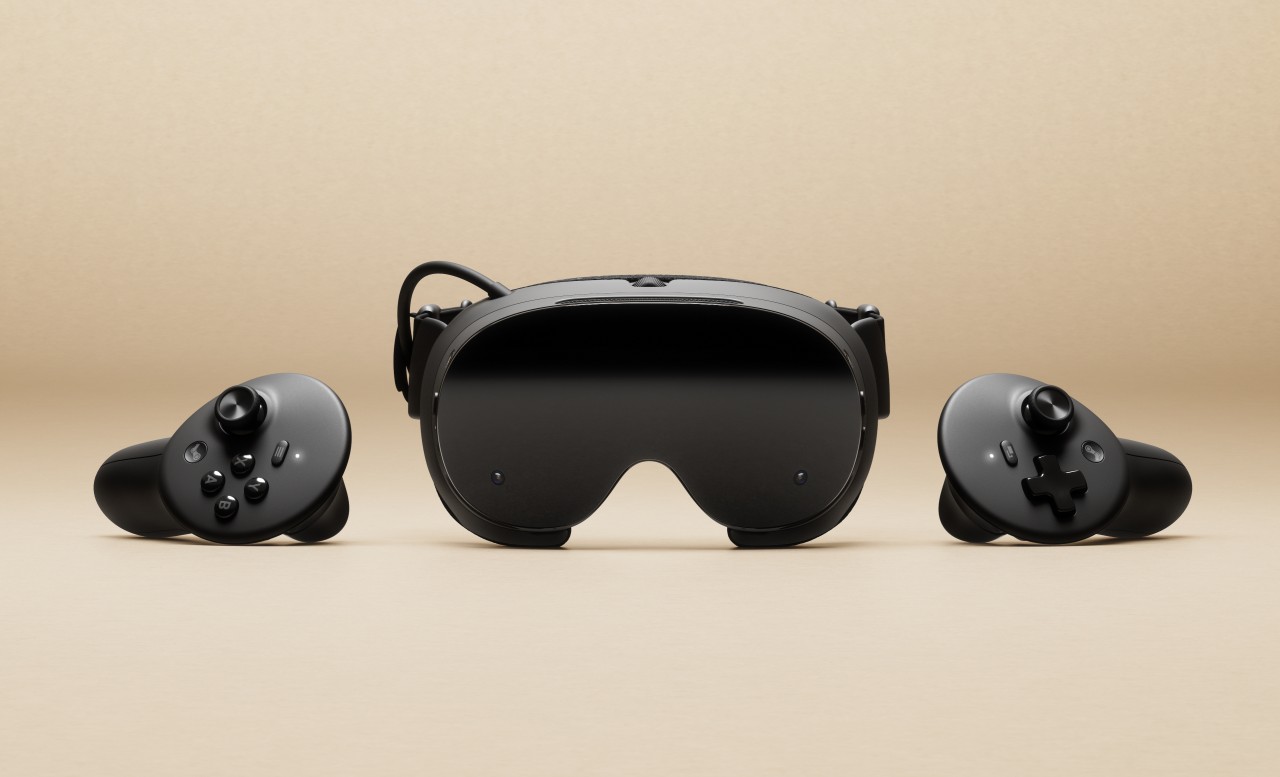
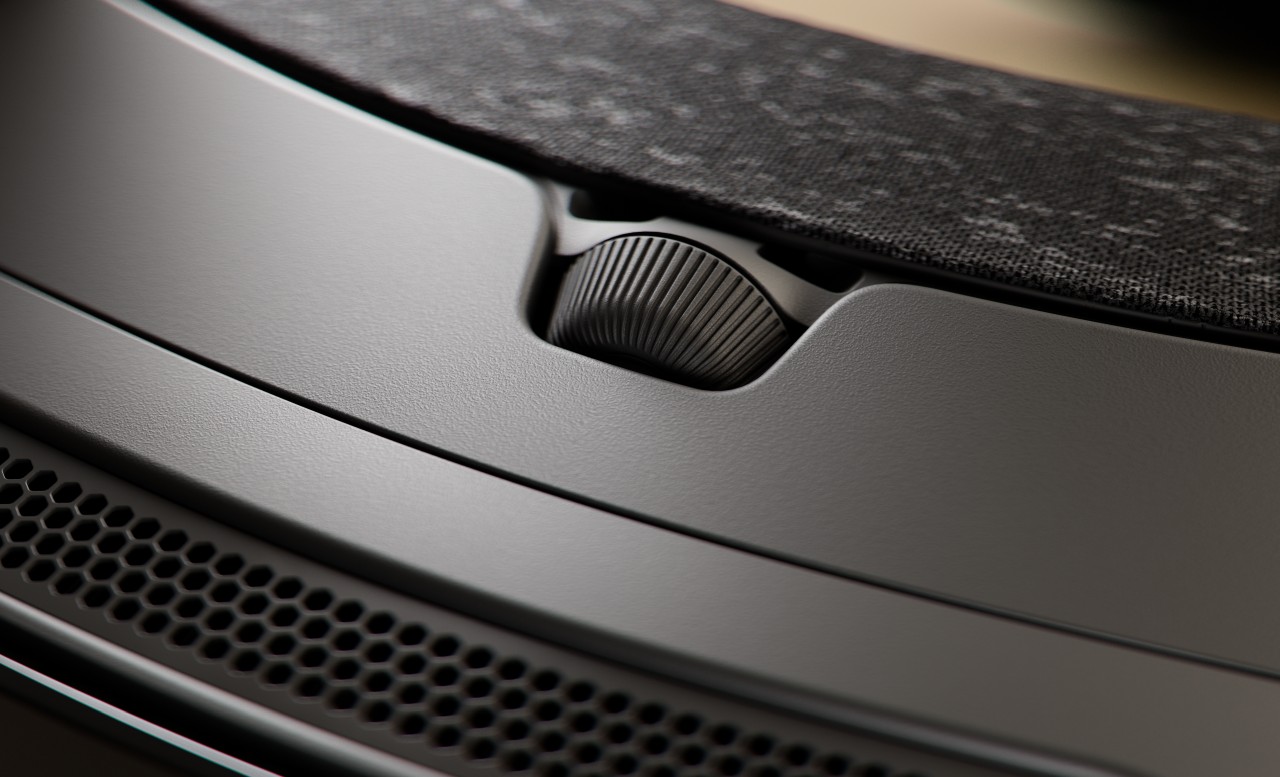
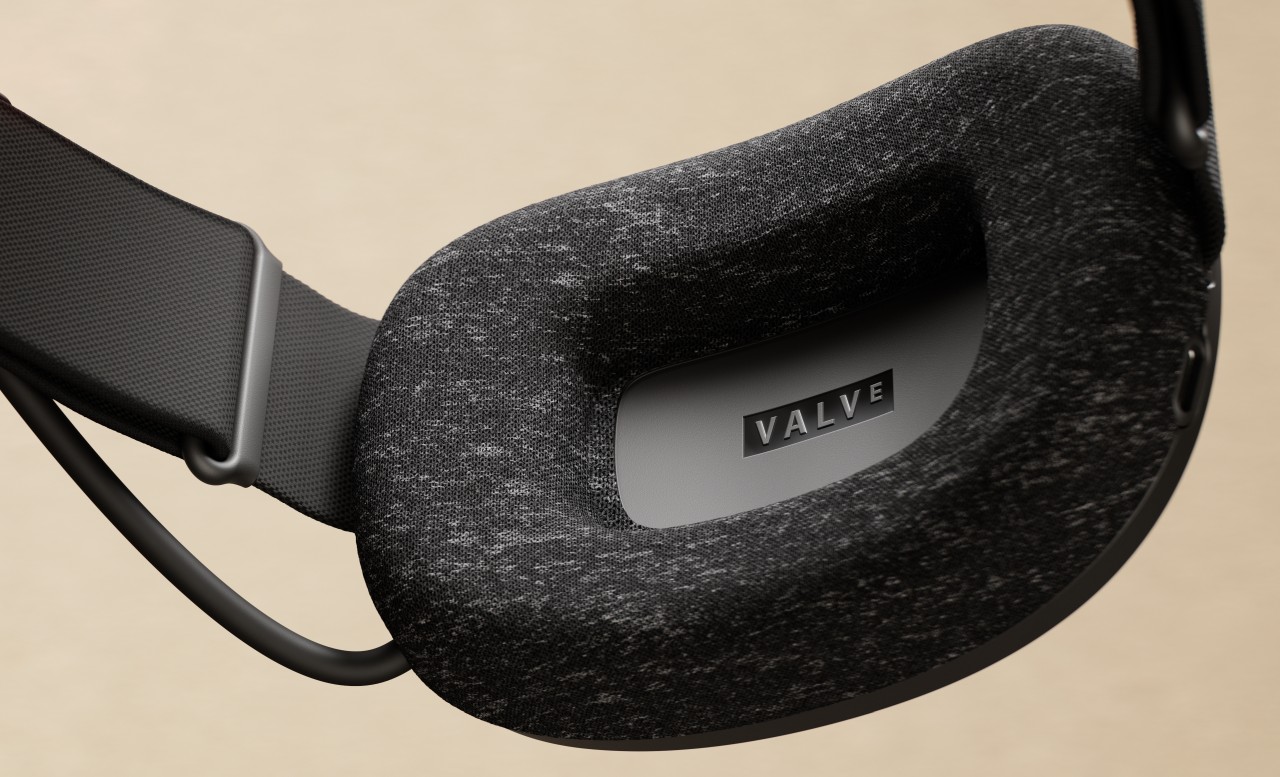
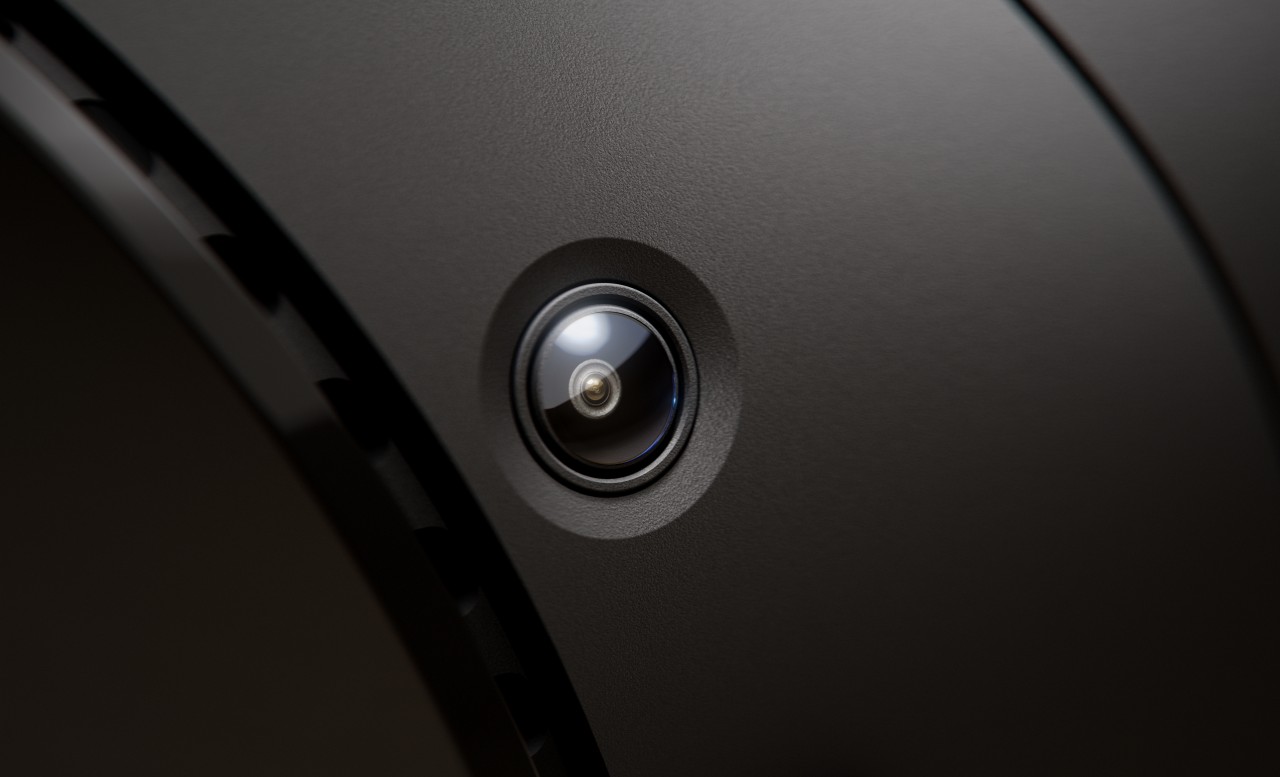
The Steam Frame drops the reliance on external “lighthouses” to track your movement, instead going for an inside-out tracking utilizing cameras to keep track of itself. Again similar to what you might be used to seeing from the Meta Quest, this method has come a long way since the original Quest, and while lighthouse tracking has historically been more reliable for fast movements or anything outside of the view of the headset, the ease of access just beats it out. Seeing as how much better the inside-out tracking has become over time, even if it isn’t as accurate or reliable as the lighthouses, the fact that you don’t have to mount anything or worry about powering several devices is just so much simpler that the trade off has been deemed to be worth it.
Which brings me to one of my biggest questions around the Steam Frame: what will happen with my old lighthouses, and the accessories I use with them? Currently one of the most popular methods of tracking your full body in VR is through the use of Vive trackers. With the Index, these worked natively as they also used the same lighthouse system. Given that the lighthouse system is being dropped this time around, it leaves me to wonder if they have any intention of supporting full body tracking again this time around. While not super useful as far as functionality of most games, full body tracking has earned its place within the social VR space as a way to greatly increase immersion and general communication as you bring body language into the mix. I’m sure there will be workarounds, similar to how you can do with the Quest, but… considering the native support one generation ago for a function, I would be disappointed to learn you have to utilize third party software or workarounds to find a way back to this same high point.
Final Thoughts
Steam’s new lineup shows a lot of promise, and with everything they’ve shown, hopefully good will come from it all. We only have to wait a short time to see, as Valve has said they are aiming for an early 2026 release for all three pieces of hardware, and prices should hopefully be announced soon after the beginning of the year.