
Publisher: Sony Interactive Entertainment
Developer: Sucker Punch
Medium: Digital/Disc
Players: 1-4
Online: Yes
ESRB: M
It’s not exactly insightful to say that Westerns and Samurai films have more in common than you might expect. After all, that link was made pretty definitively back in the ‘50s and ‘60s, when The Seven Samurai got remade as The Magnificent Seven, and Sergio Leone committed some light theft from Yojimbo when he created A Fistful of Dollars.
But it’s still striking to see the interplay between the two genres in Ghost of Yōtei. There’s a scene early on where Atsu, the game’s hero, walks into an inn, and the way it’s shot and its accompanying soundtrack make it seem like an old gunfighter walking into a saloon. This feeling carries on throughout the game, as Atsu hunts down and kills every member of the Yōtei Six. Revenge is revenge, I guess, whether it takes place in the Old West or feudal Japan, and Ghost of Yōtei constantly blurs the line between the two.
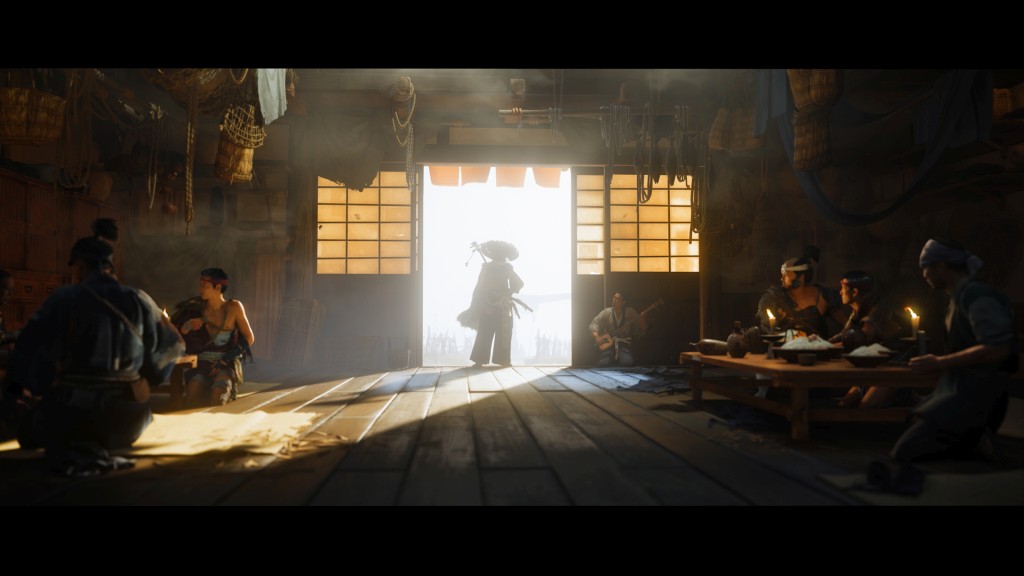
Braden went into lengthy detail about what awaits players in Ghost of Yōtei, so it doesn’t need a whole lot of further explanation, but I’d echo everything he said about the game being phenomenal. It takes place across a massive world with plenty to do, and even if you go into the Complete Edition with the intention of just playing through the story to get to the new expansion, Echoes of Sekigahara, you’ll find it impossible not to get sucked into doing side quests. I constantly found myself checking the map to see if there were any side quests or bounties nearby, and even when there weren’t things marked on my map I seemed to stumble across all kinds of extra things to do.
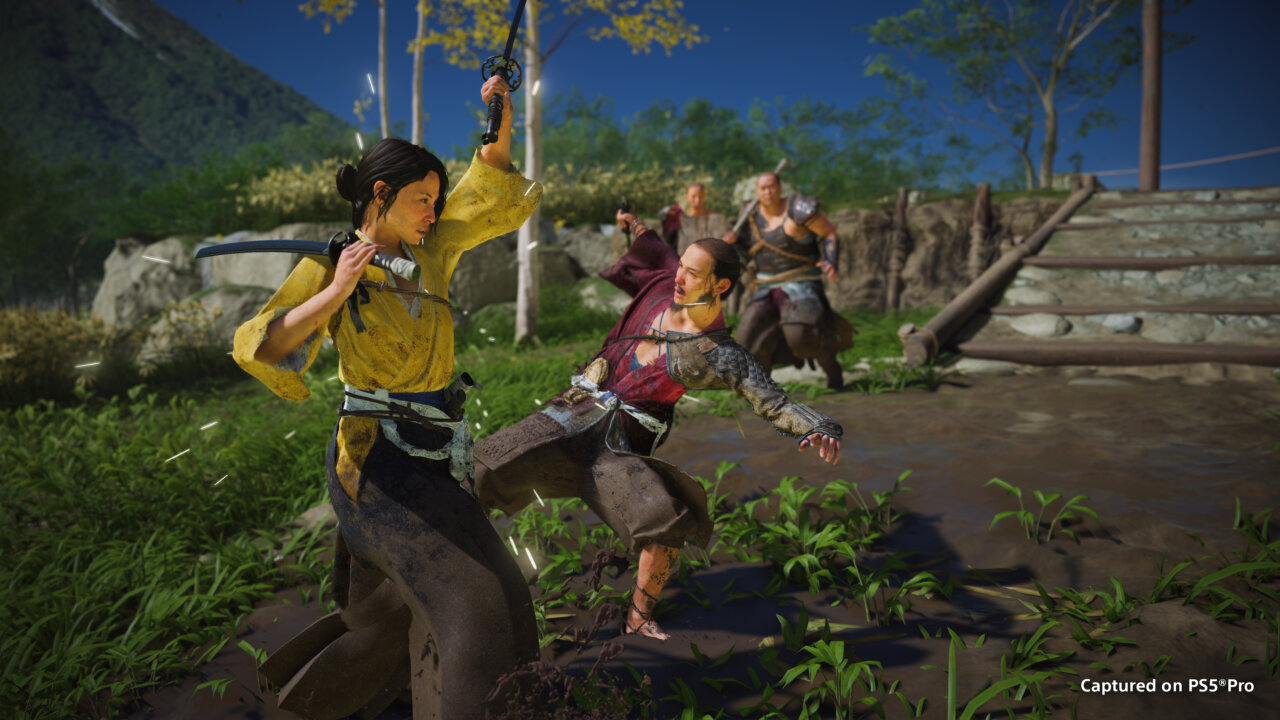
As for what this new Complete Edition adds to the original? In some ways, not a whole lot. Echoes of Sekigahara is basically just more backstory for Atsu that leads to about 8-10 hours more of what awaits players in the base game, while the new Most Wanted mode is a roguelike survival mode where you fight wave after wave of enemies – with one of the Yōtei Six waiting for you as an end boss.
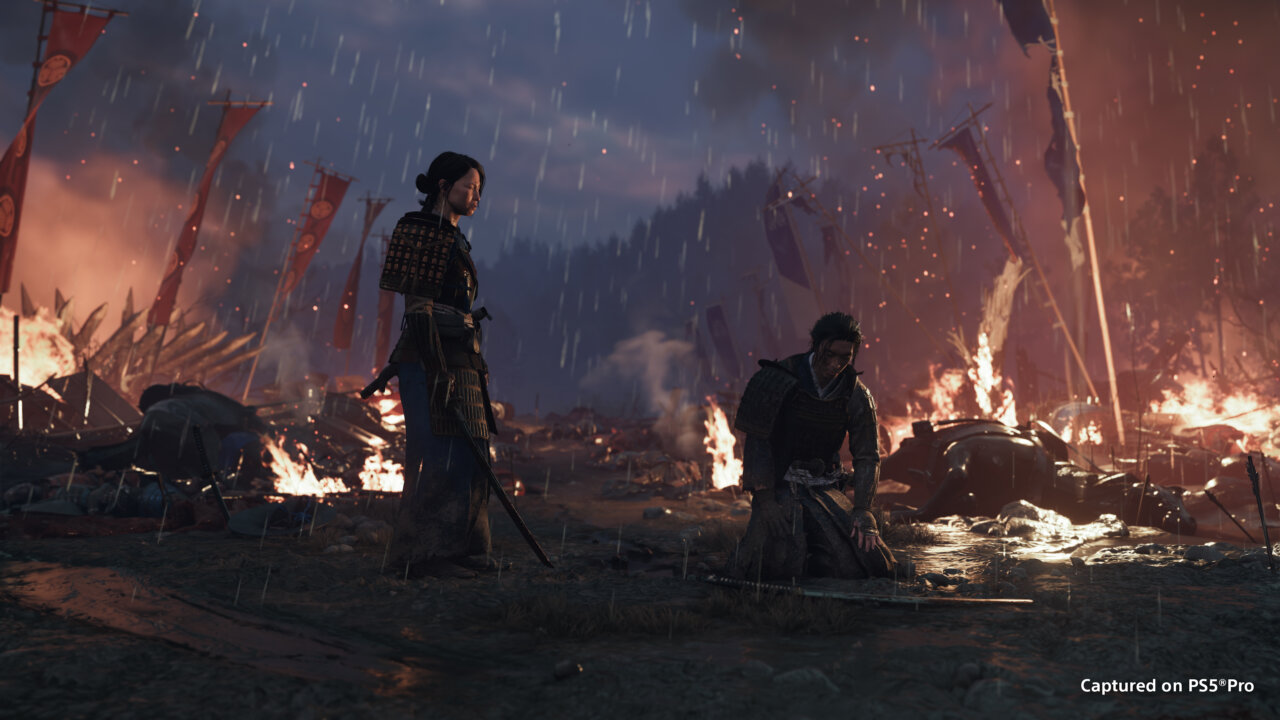
But just dismissing these two things as more of the same feels wrong – not least because, in this case, “more of the same” means more of a really enjoyable game. The great thing about a game’s main character being a bloodthirsty warrior out for revenge is that it easily lends itself to other scenarios. If getting to do more of that — and being given massive weapons like giant axes and huge hammers in the process, which is one of the other additions in the Complete Edition – is the draw of this expanded version of the game, I’m certainly not going to complain.
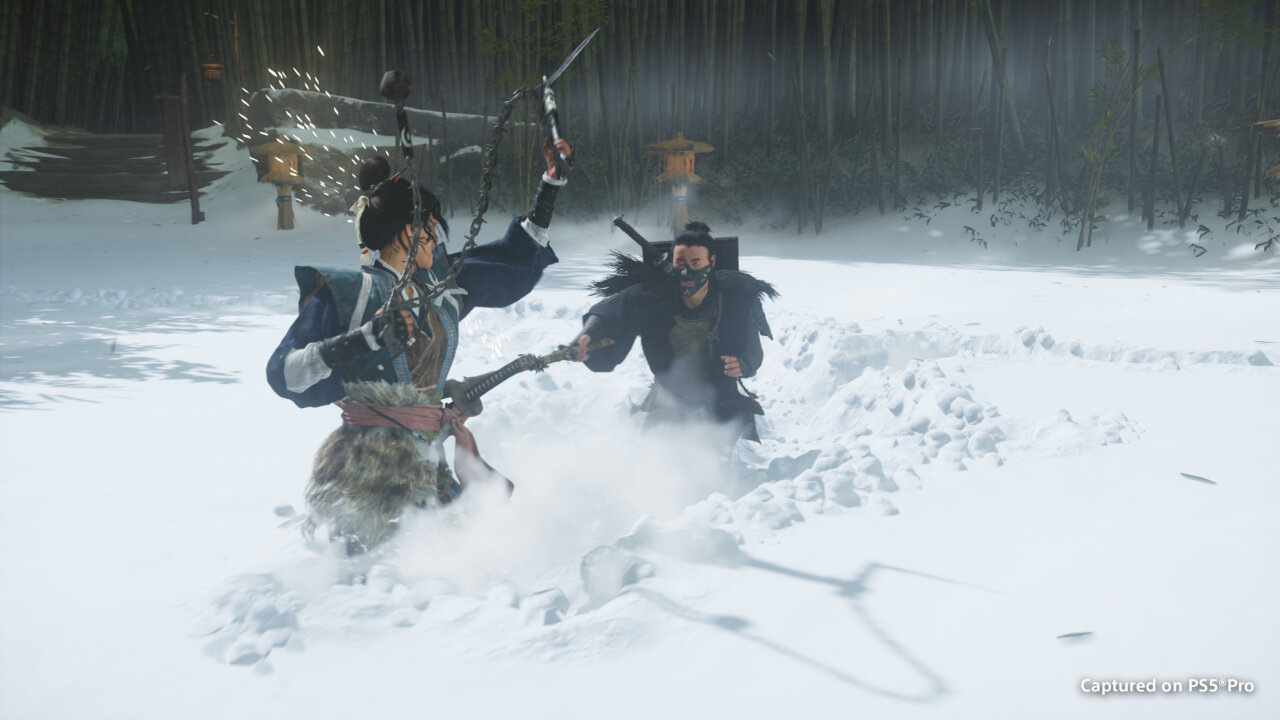
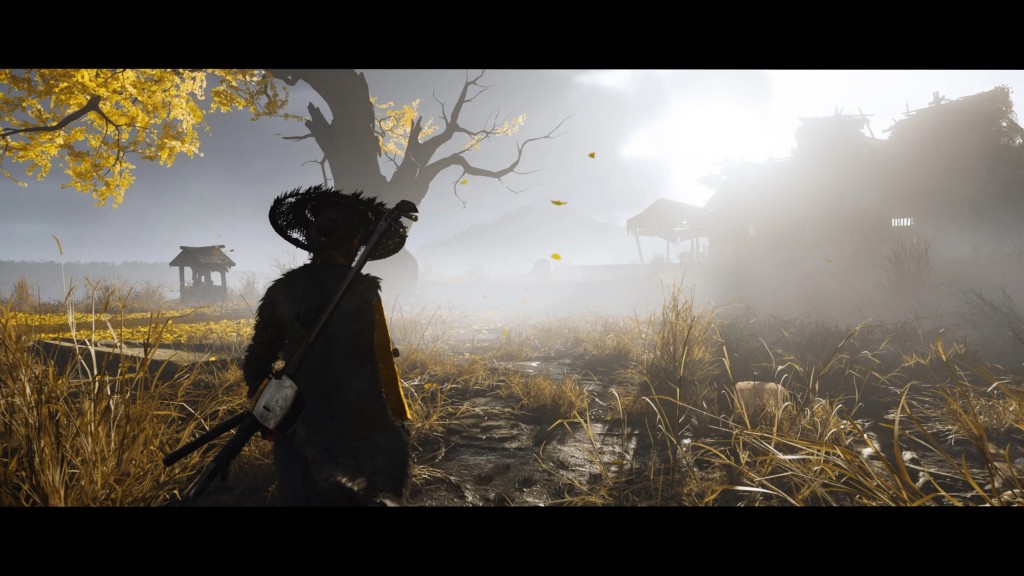
It’s also worth noting how great the visuals and the soundtrack are. Admittedly, seeing as Ghost of Tsushima was also beautiful, that’s hardly a surprise here, but that doesn’t take away from the incredible environments you get to explore here. As for the score, as I noted up top, Ghost of Yōtei is like a mid-point between Westerns and Samurai films, and it’s amazing to hear how the music sounds like Ennio Morricone filtered through a Japanese lens.
The obvious question, of course, is whether Ghost of Yōtei Complete Edition is worth picking up if you played the original version. And on that front, I’d say it’s a resounding yes. The new story expansion builds on the base game seamlessly, while the Most Wanted mode is great for when you just want to bash away at enemies. Add those on top of a game that was already exceptional, and you can see why it’s worth picking this up.
Sony Interactive Entertainment provided us with a Ghost of Yōtei Complete Edition PS5 code for review purposes.