
Also On: Xbox Series X, PC
Publisher: Konami
Developer: Annapurna Interactive
Medium: Digital/Physical
Players: 1
Online: No
ESRB: M
It is a strange and exciting time to be a horror game fan. We’ve been treated to so many new entries in franchises many of us grew up with. Resident Evil is still thriving, Mega Man is getting attention again, and Konami, a company that stepped away from traditional game publishing for a long stretch, has steadily brought its biggest names back into the conversation. Silent Hill has been one of the clearest examples of that resurgence, and Silent Hill: Townfall keeps that momentum going.
There is a lot of personal history tied to this series. Playing the original Silent Hill on PlayStation and later experiencing Silent Hill 2 helped cement a love of horror games and eventually played a part in pushing me toward covering games professionally. The recent Silent Hill 2 remake was also a strong reminder of why that particular entry has stayed with people for so long. So when Townfall was first revealed, there was plenty of excitement, but also some concern. From the outside, it looked like a major departure from what most people picture when they hear the name Silent Hill.
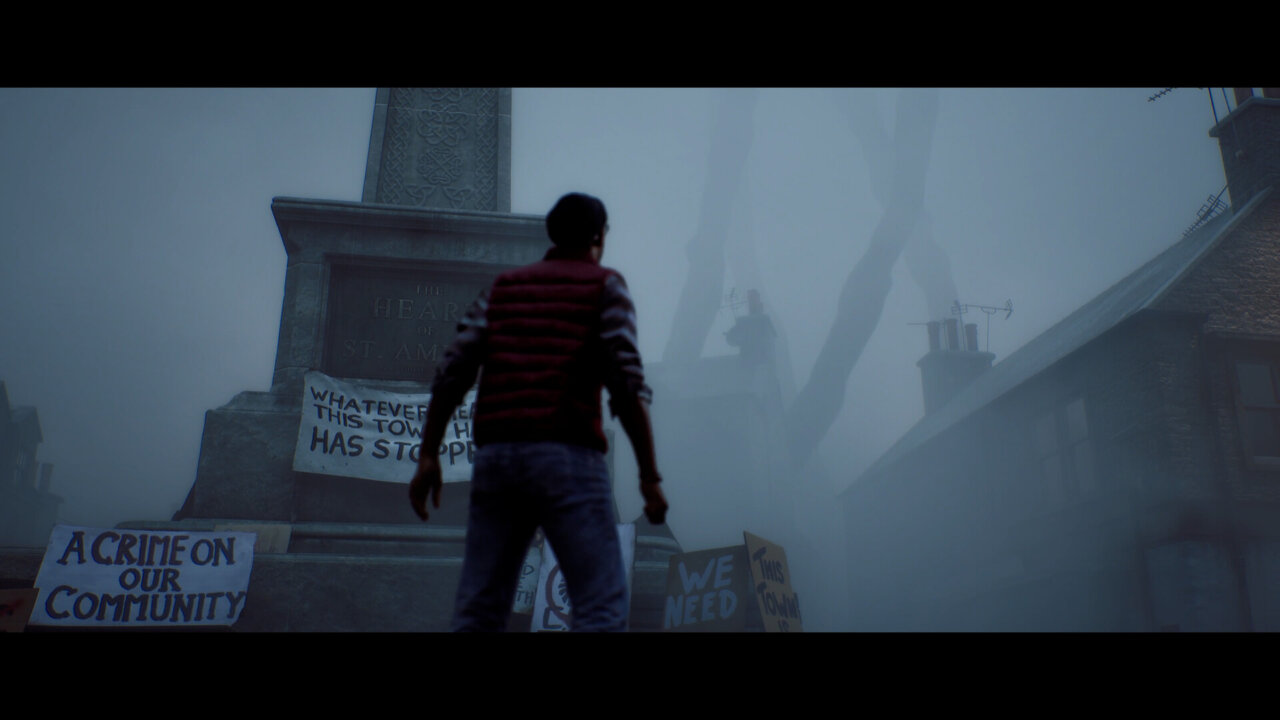
The opening hours did not immediately put those concerns to rest. Townfall starts slowly. Very slowly. Its first person perspective, deliberate pacing, and long stretches of environmental exploration initially make it feel closer to the modern wave of atmospheric horror games inspired by P.T. than a traditional Silent Hill release. Depending on the player, that first impression could be fascinating or frustrating. It is easy to imagine someone bouncing off the game before it shows its full hand. Sticking with it, however, proves worthwhile.
Townfall takes us away from the familiar American setting and places the story on St. Amelia, a remote Scottish island in 1996. You play as Simon Ordell, a man who arrives with major gaps in his memory and a strange connection to the medical equipment keeping him alive. He does not fully understand why he is there, what happened to him, or why certain people seem so desperate to reach him.
The story revolves heavily around Simon, Zoe, a nurse tied to the island’s past, and the mysterious Richard. Details are best kept light because a huge part of Townfall is slowly understanding how these people are connected. The game never rushes to explain itself. Instead, it gives you fragments, distorted transmissions, abandoned rooms, voice messages, environmental clues, and pieces of a larger tragedy. As those pieces begin to come together, the story becomes increasingly difficult to put down.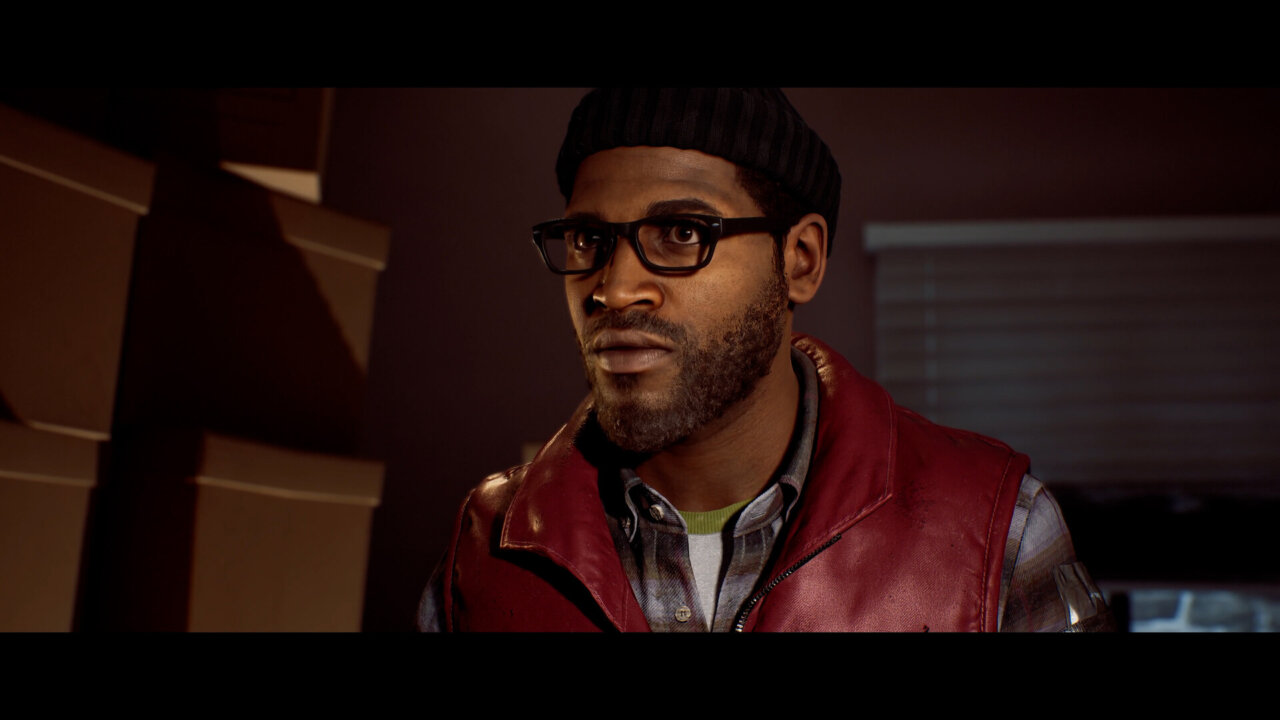
That is also when Townfall begins to feel more and more like Silent Hill. The location is different and the viewpoint is different, but the DNA is there. Limited resources, uncomfortable combat, psychological horror, symbolic enemies, oppressive environments, and the constant feeling that the world is trying to tell you something you do not completely understand are all present. It takes a while to get there, but once the pieces start clicking together, Townfall earns the name on the box.
The first person viewpoint is going to be the biggest sticking point for some longtime fans. Silent Hill has historically been associated with third person exploration and combat, so seeing the series through Simon’s eyes changes the rhythm considerably. In practice, it works. In fact, Townfall may be the closest we have come to experiencing a full Silent Hill game built around some of the ideas introduced by P.T. could feel like.
P.T. became one of the most influential horror demos ever made, even after the project it was teasing, Silent Hills, was cancelled. Countless independent horror games borrowed from its first person perspective, oppressive atmosphere, repetition, and use of sound. Townfall is obviously not Silent Hills, nor is it trying to recreate that cancelled game, but it captures some of that same uncomfortable intimacy and finally puts it inside a complete Silent Hill experience.
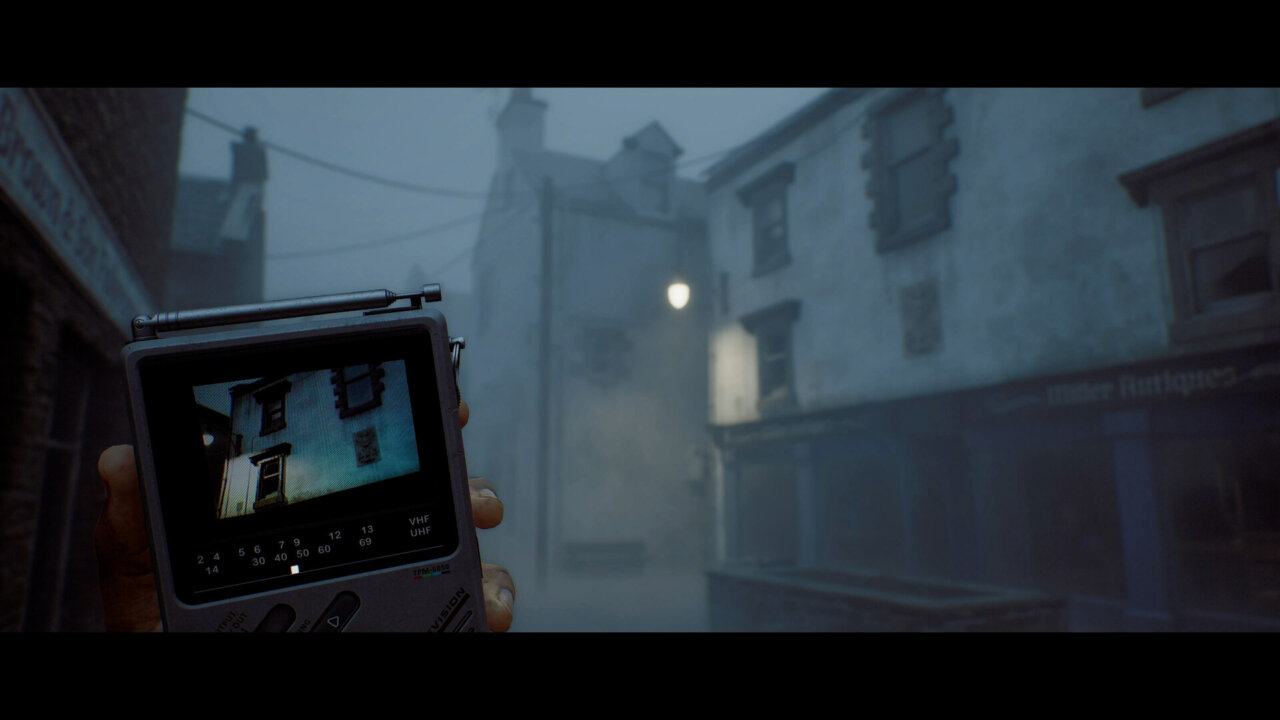
The atmosphere is easily one of Townfall’s strongest qualities. St. Amelia is quiet in a way that makes every sound matter. The fog, empty streets, abandoned homes, and long stretches where nothing is attacking you create a constant sense of unease. The sound design does a tremendous amount of work. Much of the experience involves listening for static, footsteps, distant movement, and audio cues that may or may not mean danger is close.
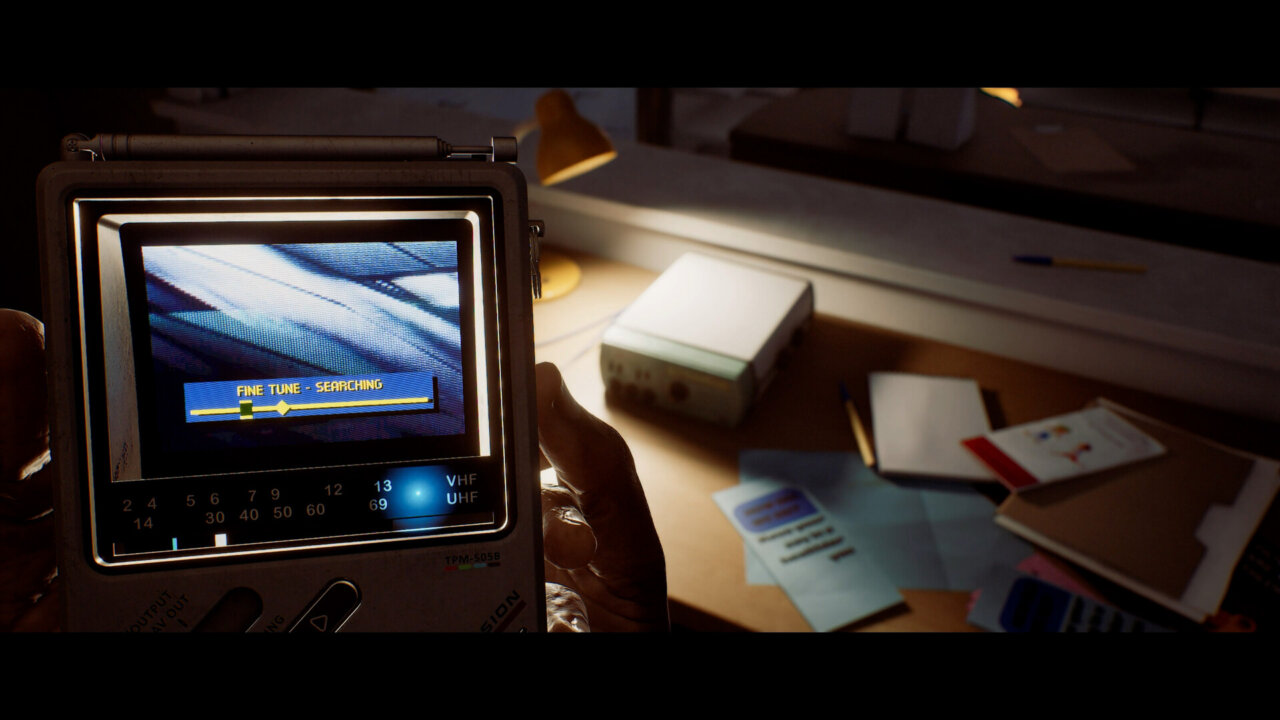
The coolest addition to the formula is the CRTV, a small portable television Simon carries with him. At first, it acts as a narrative and navigational tool. You tune into different frequencies to receive video and audio fragments connected to the people and events being investigated. As the game progresses, it becomes much more useful. The CRTV effectively evolves the classic Silent Hill radio concept. Static warns you that something is nearby, but instead of simply telling you an enemy is close, the television lets you tune into a signal and locate movement. Distorted silhouettes of enemies can be seen through walls and around nearby structures, almost like a crude analog sonar system. On PlayStation 5, tuning can also use motion controls, making the act of adjusting the signal feel physical instead of simply selecting something from a menu.
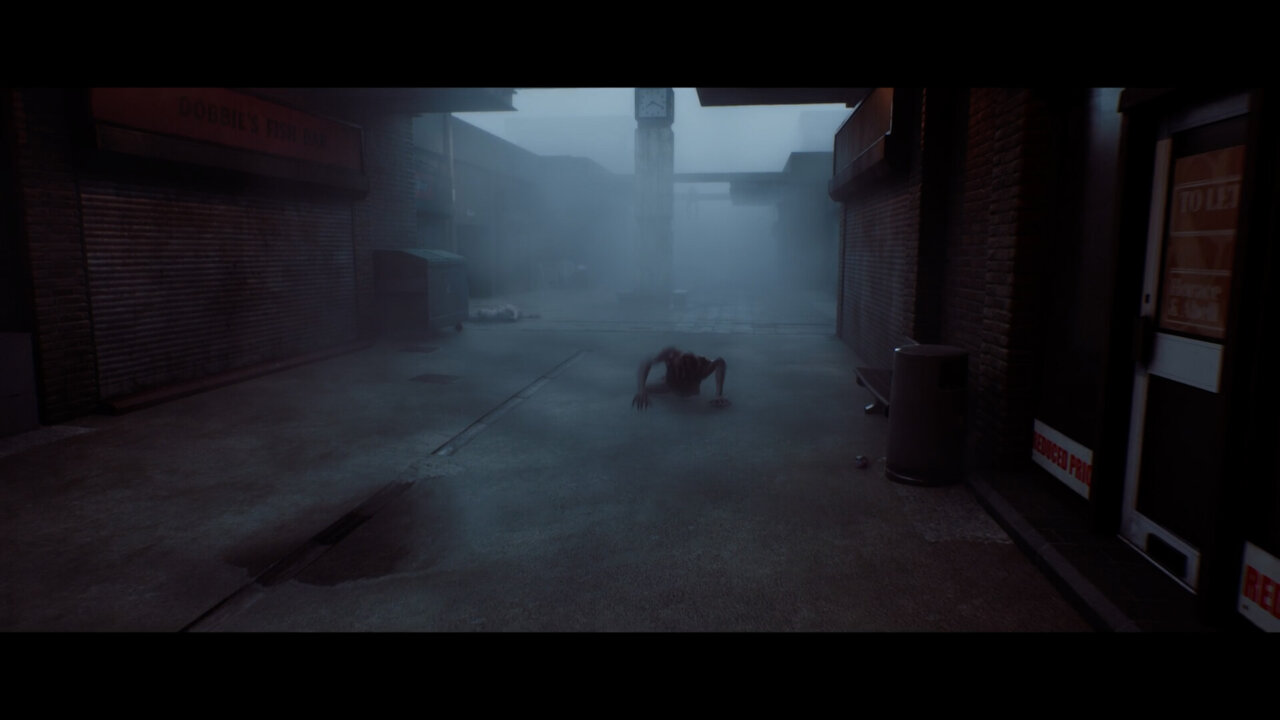
It is a great mechanic because it supports the kind of game Townfall wants to be. Weapons are intentionally limited, especially early on, and avoiding enemies can be just as important as fighting them. Stopping to listen to the static, tune the CRTV, and figure out where something is moving before entering a room gives exploration its own tension.
Combat remains intentionally awkward and built around scarce resources. You begin with basic improvised weapons such as wooden boards and eventually gain access to stronger melee options and firearms. Ammunition is not something you want to waste, and some enemies have attacks that reach farther than expected. There are also plenty of situations where hiding or running is the smarter decision.
That balance works. Townfall never becomes a shooter, even when you have a gun. It still feels like survival horror. The enemies are disturbing without flooding every hallway, and there are only a handful of primary creature types. There is also a much larger presence later in the game that fills a role similar to the unstoppable threats the franchise is known for. That is better left discovered firsthand.
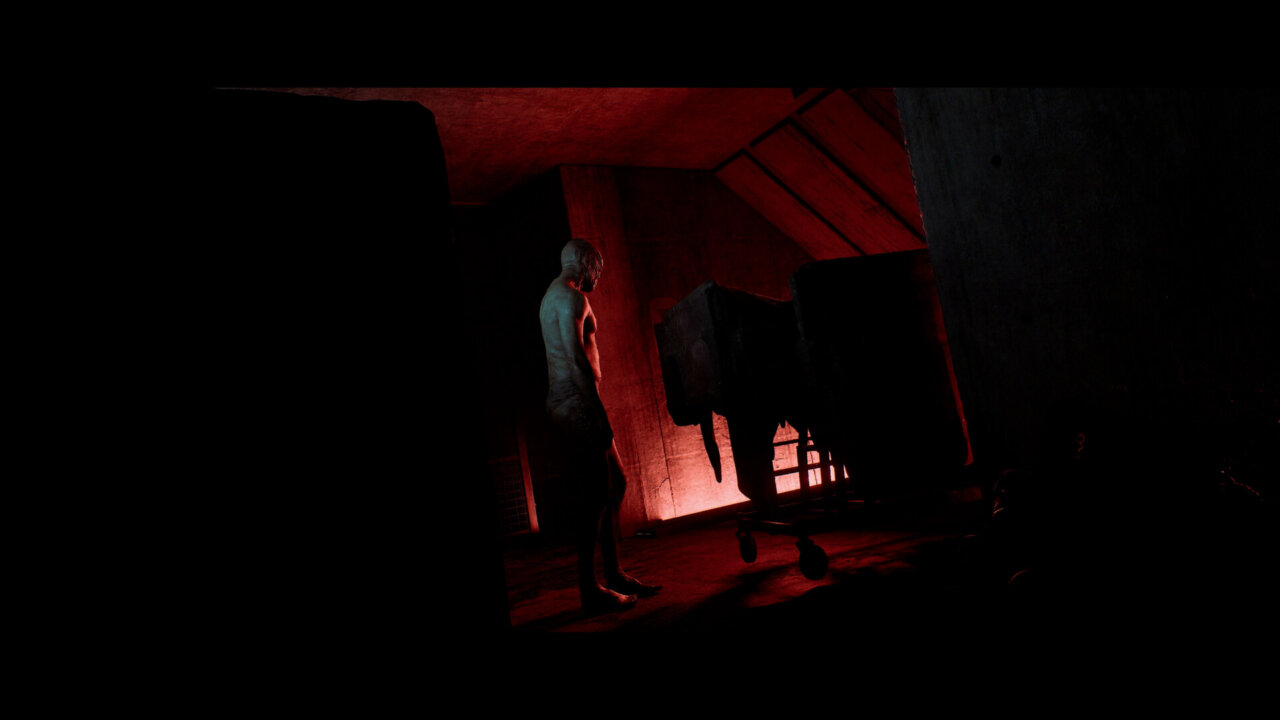
The biggest gameplay complaint comes from the amount of empty exploration in the earlier sections. There are stretches spent moving through house after house and room after room, searching every corner and finding very little. Eventually, the game opens up, the locations become more varied, and the story gives that exploration more purpose. Early on, though, it can feel like a lot of time is being spent looking for something that simply is not there.
The puzzles, on the other hand, are one of the best parts of the entire game. Classic Silent Hill was never just about monsters. Some of the strongest memories those older games created came from sitting with a notebook, a strange clue, and a puzzle that made you feel like an idiot until the answer finally clicked. Townfall understands that.
Puzzle difficulty ramps up dramatically as the game progresses. Maybe age has dulled the puzzle solving instincts a little, but some of the later challenges absolutely made me work for the solution. Pictures of clues were taken, notes were written down, and information from different rooms had to be connected before the answers finally made sense. It can be frustrating, but there is a real sense of accomplishment when a difficult solution finally clicks.
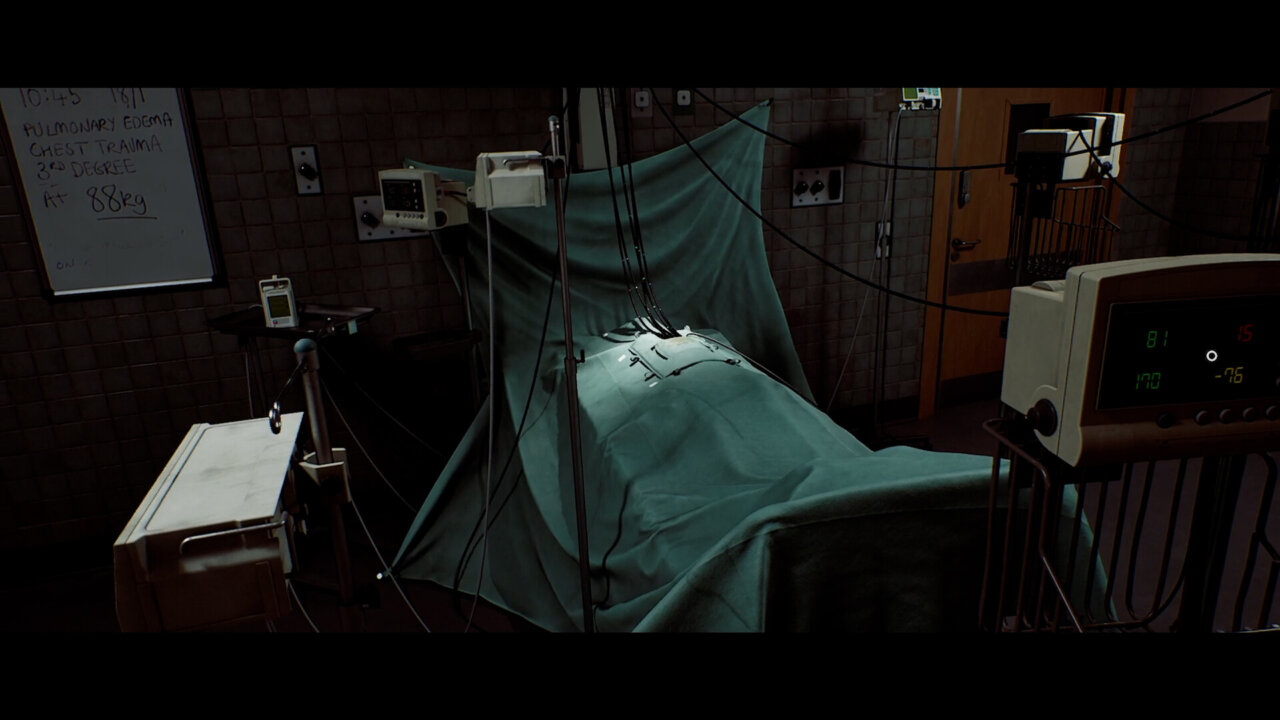
A couple of those late game puzzles even pushed the first planned play session longer than expected. There was also one notable progression issue where Simon became trapped in a room that should have been possible to exit. After several reloads, it became clear that the door was supposed to be accessible but the game had effectively locked progress. Reloading eventually solved the problem. It was the most significant technical issue encountered during the playthrough and is worth mentioning.
One of Townfall’s best details is how committed it is to the 1996 setting. The technology is not just background decoration. Simon’s CRTV, traditional telephones, pay phones, answering machines, recorded messages, and numeric codes are all worked into the way you explore and uncover information. There are no smartphones or convenient modern interfaces. You have to interact with the world the way someone actually would have at the time.
That old school design extends to the way the game expects you to remember things. Taking your own notes and paying attention to seemingly small details feels natural because Townfall is not constantly trying to guide the player with modern conveniences. It trusts you enough to let you get stuck.
Later story developments are best left untouched because this is the kind of game that benefits from discovering the truth firsthand. What can be said is that Simon, Zoe, and Richard all become more interesting as their connections are revealed, and the voice performances are strong across the board. By the end, these characters become far more compelling than the slow opening initially suggests.
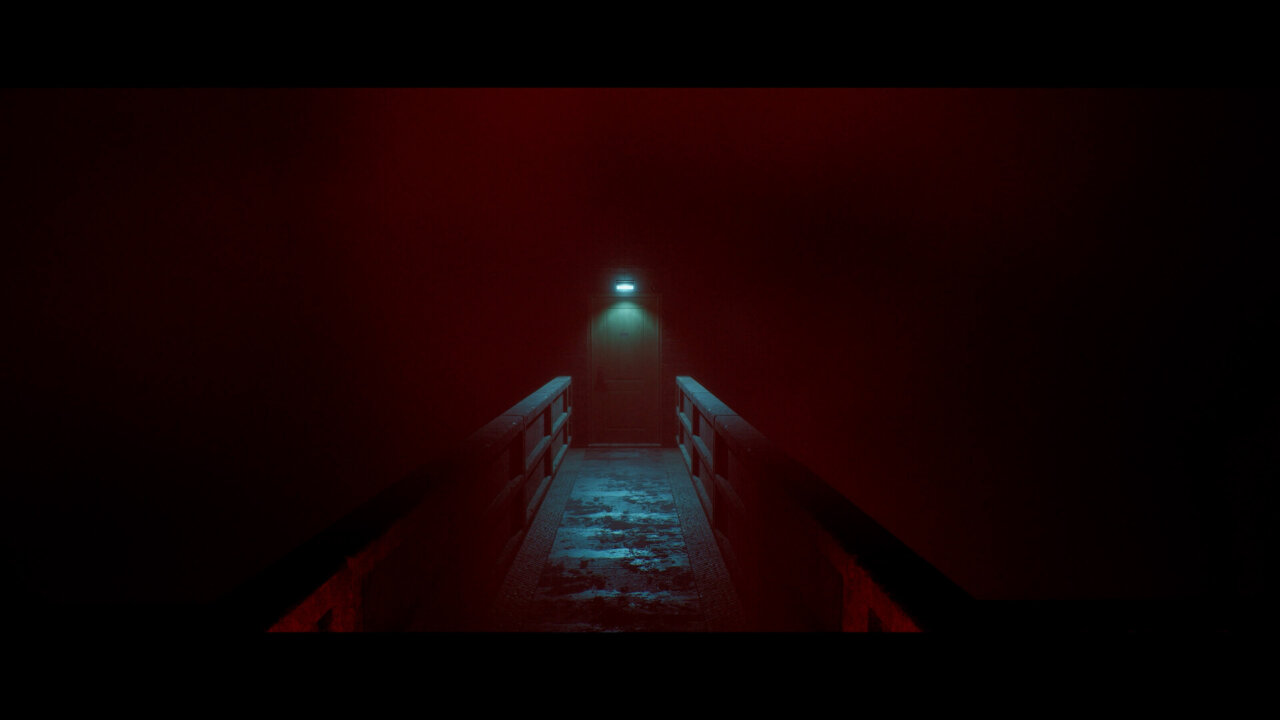
The first playthrough landed around the twelve to thirteen hour range, although some of that time was absolutely spent staring at puzzles and refusing to admit defeat. Completion time will vary depending on how thoroughly you explore and how quickly the solutions come together.
Townfall also gives players a strong reason to return. There are five endings in total, and completing the game unlocks New Game Plus. The exact conditions determining each ending are not immediately clear, but even the opening of a New Game Plus run introduced enough differences to raise questions about how much the experience can change. Combined with additional unlocks and different story outcomes, there is real replay value here.
Silent Hill: Townfall is not going to work for every Silent Hill fan immediately. The first person perspective is a major change, the opening is a slow burn, and the early exploration can feel repetitive. But those differences matter less and less as the game unfolds. The atmosphere, puzzles, limited combat, analog technology, CRTV mechanic, story, and sense of isolation gradually pull everything into exactly the kind of uncomfortable place a Silent Hill game should take you.
More importantly, it feels like Konami understands what people love about this franchise while still allowing different developers to interpret it in their own way. Townfall does not need to copy Silent Hill 2 to justify its existence. It finds its own identity, and by the time the credits rolled, there was already a strong desire to go back in.
At $49.99, Townfall is an easy recommendation for horror fans and an even easier one for longtime Silent Hill players willing to accept a different point of view. Give the slow opening time to breathe.
Note: Konami provided us with a Silent Hill: Townfall PS5 code for review purposes.
Click Here to buy/pre-order Silent Hill: Townfall on Amazon